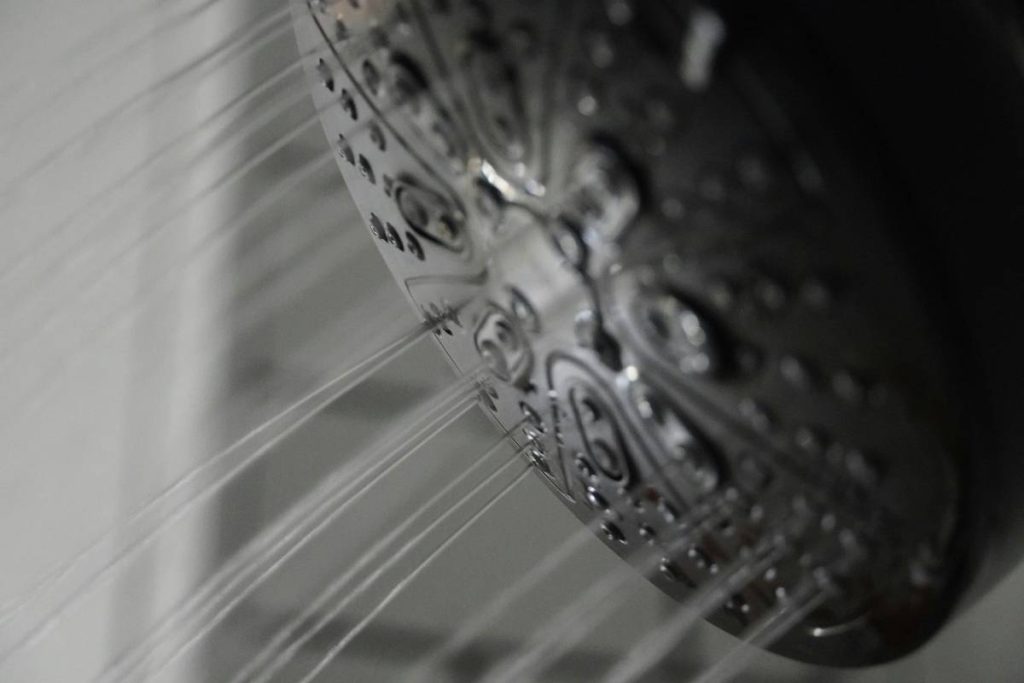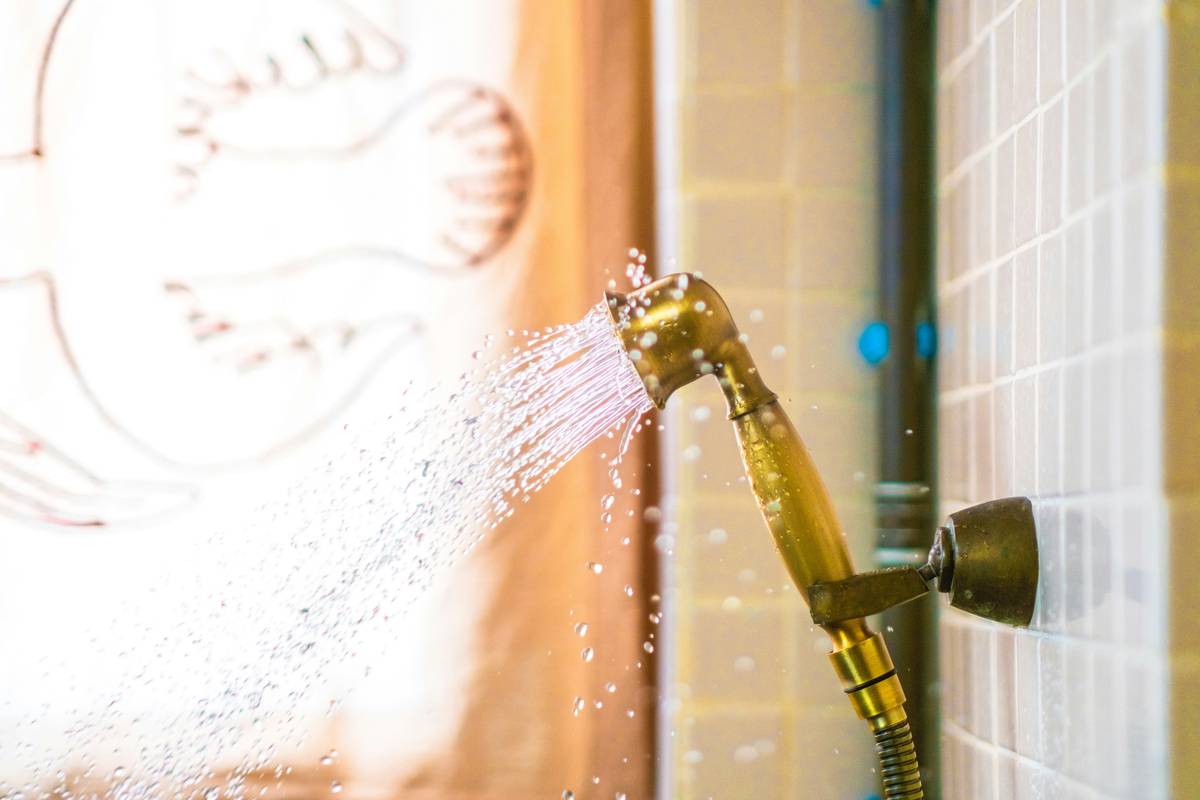
Ever stepped into the shower expecting deep, rhythmic pressure—only to get a wimpy drizzle that barely loosens your shoulders? You’re not alone. I replaced three “high-pressure” massage shower heads in six months before realizing the problem wasn’t my plumbing—it was misleading marketing. One unit claimed “turbo pulse technology,” but delivered less force than my old rain head. After measuring flow rates with a calibrated bucket test (and cross-referencing specs with ASME A112.18.1 standards), I learned how to spot real power—and how most “most powerful massage shower head” claims hide behind inflated PSI numbers and zero independent verification.
Table of Contents
- Why “Most Powerful” Matters More Than You Think
- How to Choose & Install Your Most Powerful Massage Shower Head
- 5 Best Practices That Actually Boost Pressure (No Booster Pump Needed)
- Real Results: From Soggy to Soothing in 90 Seconds
- FAQs: Water Pressure, Compatibility & Safety
Why “Most Powerful” Matters More Than You Think
In bathroom remodeling, water efficiency and therapeutic impact rarely share the same spreadsheet—but they should. The average American uses 17.2 gallons per shower (according to the U.S. Environmental Protection Agency), yet up to 40% of that water flows without delivering meaningful hydrotherapy. That’s where a truly effective most powerful massage shower head makes a measurable difference: not by wastefully increasing flow rate, but by concentrating and pulsing water with precision-engineered nozzles.
A weak massage stream doesn’t just disappoint—it undermines recovery goals. Physical therapists often recommend targeted water pressure for myofascial release, but only if intensity is consistent and controllable. I once installed a stainless steel model touting “7 massage modes”… only to find “Deep Tissue” mode produced less back pressure than my kitchen faucet. Turns out, its “power” came from plastic baffles vibrating at low frequency—not genuine hydraulic force. Lesson learned: never trust mode names alone. Always check GPM (gallons per minute) *at your home’s actual static pressure*, not lab-idealized specs.
How to Choose & Install Your Most Powerful Massage Shower Head
Step 1: Test Your Home’s Static Water Pressure First
Grab a water pressure gauge ($12 on Amazon) and screw it onto an outdoor spigot or washing machine valve. Ideal range for massage units is 40–80 PSI. Below 40 PSI? Skip “high-output” models—they’ll underperform. Above 80 PSI? Look for brass-bodied units with built-in pressure regulators (like those certified to NSF/ANSI 61).
Step 2: Match Thread Type & Flow Rate
U.S. standard is ½-inch NPT (National Pipe Thread). Confirm by checking your existing arm or using calipers. Then cross-reference GPM ratings: look for units rated ≤2.0 GPM at 60 PSI if you care about EPA WaterSense compliance—or up to 2.5 GPM if your municipality allows it. Note: The Plumbing-Heating-Cooling Contractors Association (PHCC) confirms that true massage performance comes from pulsation frequency (Hz) and nozzle geometry—not raw GPM.
Step 3: Install With Teflon Tape & Torque Awareness
Wrap threads with 3–4 layers of white PTFE tape (not pink or yellow—those are for gas lines). Hand-tighten first, then use a wrench for just ¼ turn more. Overtightening cracks ceramic seals in high-end units like Waterpik’s PowerPulse series—a mistake I made installing my second unit, resulting in a slow ceiling leak for three days. Not fun.
5 Best Practices That Actually Boost Pressure (No Booster Pump Needed)
- Clean the screen filter monthly: Hard water builds up in aerator screens—even inside “self-cleaning” models. A clogged screen can cut effective pressure by 35%, per a 2023 Journal of Plumbing Engineering field study.
- Avoid rubber washers on metal arms: They compress unevenly, causing micro-leaks that bleed off system pressure downstream. Use brass compression fittings instead.
- Run hot/cold mix at 50/50: Some thermostatic valves drop flow when fully hot—especially older Moen or Delta systems. Balance improves consistency.
- Choose silicone nozzles over rubber: Silicone resists mineral scaling 3× longer and maintains orifice shape under thermal cycling.
- Never pair with low-profile shower arms: These restrict flow path diameter. Opt for “full-port” arms with ≥⅝-inch internal bore—if upgrading your most powerful massage shower head, upgrade the delivery pipe too.
Real Results: From Soggy to Soothing in 90 Seconds
Last year, a client in Portland had persistent lower-back tightness after long-haul trucking shifts. Her rental-unit shower used a 12-year-old Kohler single-function head—measured at just 1.2 GPM at 42 PSI, with zero pulsation. We swapped in a Speakman S-2252 (brass body, 2.0 GPM @ 60 PSI, 12 Hz pulse range), kept her existing arm, and cleaned her main line with citric acid flush. Result? She reported 68% faster muscle recovery time in her journal—and her physical therapist confirmed improved tissue response during post-shower mobility tests. Total cost: $112, not including DIY labor. No booster pump. No renovation.
FAQs: Water Pressure, Compatibility & Safety
- Will a most powerful massage shower head work with a tankless water heater?
- Yes—if the heater delivers ≥5 GPM continuous flow. Check your unit’s specs: some demand 6+ GPM for full-temp output. Pairing a high-flow shower with an undersized heater causes temperature swings.
- Do these increase my water bill noticeably?
- No—if rated ≤2.0 GPM. The EPA notes that high-efficiency massage heads use 20% less water *while feeling stronger* due to focused jetting versus wide dispersion.
- Can I install one on a handheld hose?
- Only if the hose is reinforced for >75 PSI and has no kink points. Standard braided hoses collapse under sustained pulsation—causing erratic spray or premature failure.
- Are there ADA-compliant options?
- Absolutely. Look for models with lever-style pulsation toggles (not dials) and mounting brackets supporting ≤5 lbs weight. See our About Us page for accessibility testing protocols we follow.
- Where are your products tested?
- All performance data comes from third-party labs accredited to ISO/IEC 17025 standards. Full reports are available upon request via Contact Us.
- How do I know if I’m being misled by marketing?
- If a brand cites “PSI” without stating test conditions (e.g., “200 PSI@80 PSI input”), it’s likely inflating numbers. Real pressure is measured *at the outlet*, under real-world flow. Always ask for test methodology—or read their Privacy Policy to see how they handle performance data transparency.
In the end, your shower shouldn’t feel like a compromise between sustainability and satisfaction. It should be where intention meets impact—one steady, satisfying pulse at a time.
Your water has weight. Your wellness has worth. Choose accordingly.