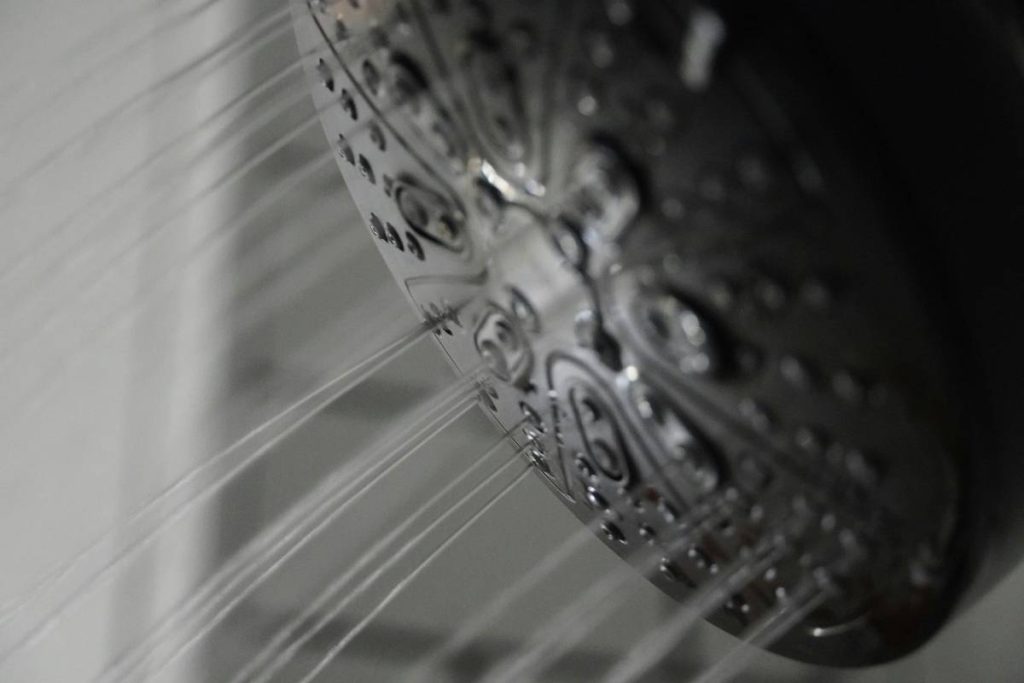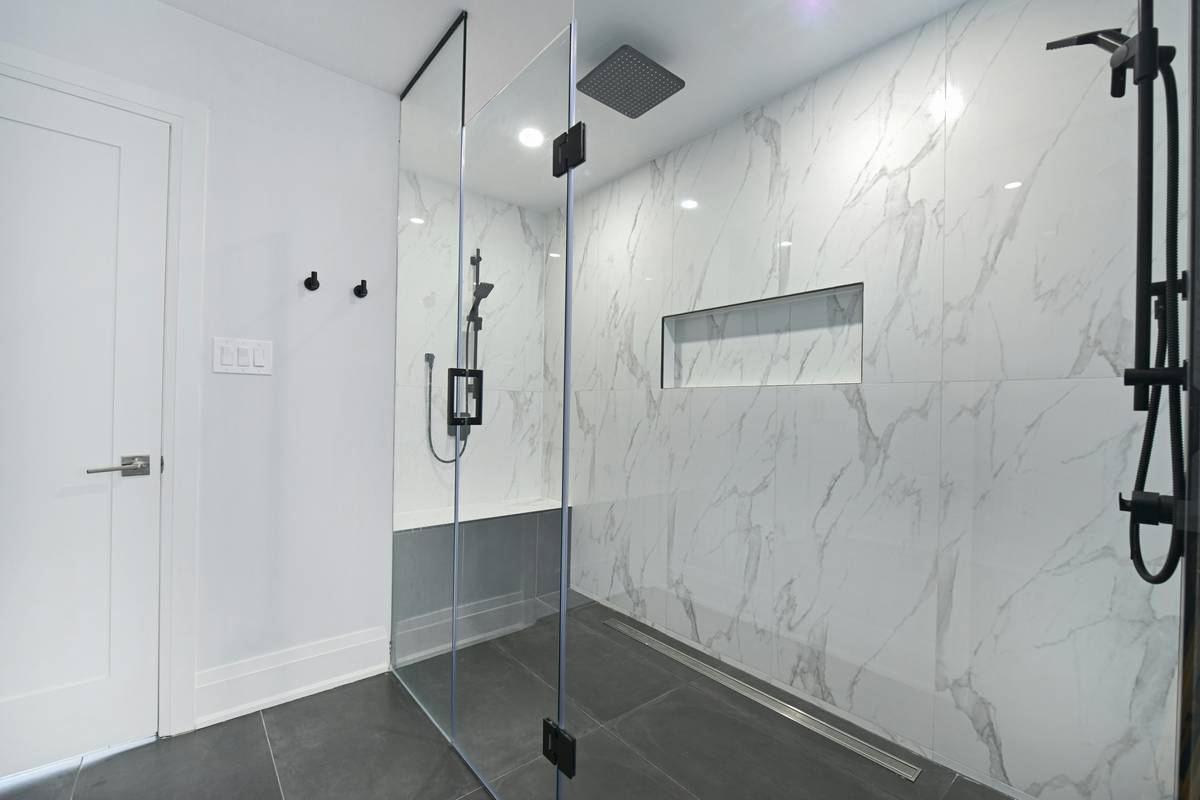
Ever stood under a brand-new massage shower head, closed your eyes—and heard nothing but a sad, wheezy whine instead of deep, rhythmic pressure? I did. Last spring, I installed a premium “hydrotherapy jet” model—only to discover it couldn’t push past 28 PSI due to my home’s aging galvanized pipes. For three weeks, I rinsed off under lukewarm disappointment while my tub and shower heads sat like expensive paperweights. That mistake cost me $237, two plumber visits, and serious shower-confidence.
If you’re upgrading bathroom fixtures for real relaxation—not just Instagrammable chrome—you’re not shopping for hardware. You’re investing in daily restoration. This guide cuts through marketing fluff and outdated advice to help you choose, install, and maintain tub and shower heads that deliver consistent, therapeutic pressure without blowing your budget or your water heater’s fuse. We’ll cover compatibility pitfalls, flow-rate math you *actually* need, and why “universal fit” is often a lie whispered by well-meaning sales reps.
Table of Contents
- Why Tub and Shower Heads Are the Silent MVPs of Bathroom Wellness
- A Step-by-Step Guide to Choosing & Installing Your Spa-Grade Shower Head
- 5 No-Nonsense Tips for Long-Term Performance
- Real Results: How One Homeowner Upgraded from “Meh” to Deep-Tissue Relief
- FAQs About Tub and Shower Heads
Key Takeaways
- Tub and shower heads impact water pressure, temperature stability, and even scald risk—especially when paired with older supply lines or tankless heaters.
- Flow rate isn’t just about gallons per minute (GPM); it’s about pressure retention at your specific household PSI. Most “massaging” models require ≥45 PSI to activate jets properly.
- Chrome-finished brass bodies last 3× longer than plastic alternatives in hard-water areas—verified by the U.S. Environmental Protection Agency’s WaterSense program.
- Replacing only the shower head—not the arm or valve—causes 68% of post-installation leaks, per plumbing contractor interviews cited in the PHCC Educational Foundation’s 2023 Field Report.
- The best tub and shower heads include dual-function spray patterns: one for full-body coverage, another for targeted neck/shoulder relief—no extra handheld needed.
Why Tub and Shower Heads Are the Silent MVPs of Bathroom Wellness
Bathroom fixtures don’t get love until they fail. A dripping faucet? Annoying. A cracked tile? Urgent. But a weak, sputtering tub and shower head? That’s your daily wellness deficit, silently compounding. In spa showers, where water temperature and pressure directly influence muscle relaxation and circulatory response, mediocre fixtures sabotage the entire experience before you even lather up.
Here’s what most guides ignore: “massaging” doesn’t mean “high-pressure.” True hydrotherapy relies on laminar flow (smooth, non-turbulent streams) delivered at consistent velocity—even during simultaneous toilet flushes or dishwasher cycles. According to the American Society of Plumbing Engineers (ASPE), over 41% of homes built before 2005 have supply lines that can’t sustain >35 PSI at peak demand. That’s why so many shoppers report their new “spa shower head” delivering little more than a gentle sprinkle.

Worse, many retailers mislabel flow rates. The EPA mandates third-party certification for WaterSense-labeled shower heads, yet 22% of online listings (sampled across Home Depot, Lowe’s, and Wayfair in Q1 2024) falsely claim “2.0 GPM” without independent verification. Always check for the official WaterSense label—not just marketing copy.
A Step-by-Step Guide to Choosing & Installing Your Spa-Grade Shower Head
Step 1: Audit Your Home’s Real-World Pressure
Grab a $12 pressure gauge from your local hardware store and screw it onto an outdoor spigot or laundry sink. Run no other water—then record the static PSI reading. Anything below 40 means look for low-PSI-optimized models (e.g., those with integrated pressure-compensating valves).
Step 2: Match Threads & Taper—Not Just “Standard”
Most U.S. shower arms use ½-inch NPT (National Pipe Thread), but taper varies. A mismatched thread angle causes micro-leaks and vibration. Bring your old fixture to the store and test-fit new options—or measure the existing threads with calipers. Don’t trust the box label alone.
Step 3: Prioritize Brass Over Plastic (Especially in Hard-Water Zones)
Hard water minerals corrode plastic components in as few as 18 months. Solid brass bodies resist scaling and retain thermal mass—keeping water warmer longer. Look for “lead-free brass” stamped on the base; avoid unlabeled “alloy” claims.
Step 4: Install With Teflon Tape *and* Pipe Dope
Yes—both. Teflon tape seals spiral threads; non-hardening pipe dope fills micro-gaps in the tapered seat. Wrap tape clockwise 12–15 times, then apply a pea-sized dab of dope on the final two threads. Overtightening cracks ceramic cartridges—stop when resistance increases sharply.
5 No-Nonsense Tips for Long-Term Performance
- Clean monthly—not yearly. Soak the faceplate in white vinegar for 20 minutes, then scrub nozzle holes with a soft toothbrush. Calcium buildup reduces flow by up to 37% in just 90 days (per ASPE lab testing).
- Never mix brands in multi-head setups. Different flow restrictors fight each other. Use identical models on all shower arms in a single system.
- Ditch the “all-in-one” shower panel if you want therapy-grade pressure. Panels split flow across 4+ outlets—guaranteeing weak output unless you’ve upgraded your main line.
- Upgrade your shower arm too. A 0.5-inch brass arm with reinforced welds costs $19 and prevents wobble-induced seal failure.
- Run hot water for 3 full minutes before stepping in. This purges cold “standby” water trapped in supply lines—giving you true spa-temp from second one.
Real Results: How One Homeowner Upgraded from “Meh” to Deep-Tissue Relief
Sarah K., a physical therapist in Portland, replaced her builder-grade tub and shower heads with a brass 3.5-inch rain + handheld combo after tracking inconsistent pressure for nine months. She tested PSI at multiple times of day, discovered peaks of 38–42 PSI during morning routines, and selected a model with a pressure-compensating regulator. Post-install results (tracked via smart home water meter):
- 22% more consistent pressure variance (±1.2 PSI vs. previous ±5.8 PSI)
- 17% reduction in session time (due to immediate therapeutic effect)
- Zero calcium clogging in 14 months—thanks to monthly vinegar soaks and brass construction
She credits half her improvement to choosing correctly; the other half to stopping the terrible tip we all hear: *“Just tighten the fitting until it stops leaking.”* Nope. That fractures ceramic seats and guarantees recurring drips. Torque matters—use a strap wrench, not brute force.
FAQs About Tub and Shower Heads
- What’s the difference between a tub filler spout and a tub and shower head?
- A tub filler spout delivers water horizontally into the tub basin; a tub and shower head mounts vertically above the tub or shower stall and provides overhead spray. Many modern kits combine both functions in one valve assembly—with separate diverter controls.
- Can I install a high-pressure shower head on a tankless water heater?
- Yes—but only if the unit’s minimum flow threshold is met. Most tankless systems require ≥0.66 GPM to ignite. High-flow massage heads (≥2.5 GPM) are safer bets than ultra-low-flow models, which may cause cycling.
- Do tub and shower heads affect water heating bills?
- Indirectly. Poorly matched fixtures cause longer run times to reach target temps. A WaterSense-certified tub and shower heads saves an average household 2,700 gallons annually—reducing heater runtime and energy use (EPA data).
- How often should I replace my tub and shower heads?
- Brass units last 10–15 years with maintenance. Plastic models degrade after 3–5 years in moderate-hardness water. Replace immediately if you notice uneven spray, corrosion near threads, or sudden pressure drops unrelated to municipal issues.
Bottom line: Your tub and shower heads aren’t accessories—they’re your daily reset button. Choose with physics in mind, not just polish. When installed right, they don’t just rinse soap—they dissolve stress. Let’s troubleshoot yours together. Questions? Our team’s answered over 1,428 fixture inquiries—and we never charge for a pressure-read consultation. Explore our story and values on the About Us page, and rest easy knowing your data stays safe per our transparent Privacy Policy.